LESSON 07 · BUILD TRUST THAT LASTS
The First Five Minutes Checklist
Forty practical steps for the first five minutes of any sales conversation, so the start is warm, clear and confident.
The first five minutes set the tone. A simple checklist keeps you calm.
40 tipsAudio on every tip7-day plan
40 tips that really help
These ideas come from The Checklist Manifesto (Atul Gawande), How to Win Friends and Influence People (Dale Carnegie), SPIN Selling (Neil Rackham), and Peak (K. Anders Ericsson), and everyday practice. The first six help the most. Pick one and try it today.
TIP 1
Your five-minute opening plan
Five clear minutes can set the tone for the whole meeting. Plan them like a short recipe. A five-minute plan makes the start calm and clear.
TRY THIS
Write the five steps on a card. Practise them aloud once.
TIP 2
Greet warmly
A warm greeting is the first gift you give. Smile, say their name and look them in the eye.
TRY THIS
Stand, smile and offer your hand if it fits. Say their name and yours clearly.
TIP 3
Thank them for their time
Time is precious, so say thanks. It shows respect from the first minute. A sincere thank-you for time sets a respectful tone.
TRY THIS
Thank them early, with a detail. Show respect for time by being focused.
TIP 4
Ask for their goals
Start with what they want. Ask, ‘What would make this meeting useful for you?’ Start by asking what they want from the meeting.
TRY THIS
Ask what would make the meeting useful. Write it down, and repeat it back.
TIP 5
Prepare the night before
Calm starts the evening before. Review, pack and rest. Calm in the morning is built the night before.
TRY THIS
Review the client’s name, role and notes. Check route, time and technology.
TIP 6
Fix a bad start
Everyone has a rough start sometimes. Pause, breathe and reset. A calm reset turns a bad start into trust.
TRY THIS
Pause and breathe. Apologise briefly, with a smile.
TIP 7
Break the ice briefly
One light line is enough. Keep it warm, short and real. One warm line is enough to break the ice.
TRY THIS
Choose one light, true line. Say it with a smile.
TIP 8
Confirm the agenda and time
Say what you will do and how long it will take. It calms both sides. A clear agenda and time frame calm everyone.
TRY THIS
State the time and three steps. Ask if it works for them.
TIP 9
Arrive calm
A calm seller makes a calm room. Arrive early, and breathe. Arrive calm, and you bring calm into the room.
TRY THIS
Arrive ten minutes early. Breathe in for four, out for six.
TIP 10
The first ten seconds on a call
On a call, ten seconds decide the mood. Say your name, theirs, and a smile. Make your first ten seconds on a call warm and clear.
TRY THIS
Smile, and say hello with her name. State your name and company slowly.
TIP 11
Meetings begin with a first impression
People judge fast, and the judgement lasts. Make the first look count. The first impression is quick, and it shapes the whole meeting.
TRY THIS
Dress to suit their setting. Stand tall, smile and speak clearly.
TIP 12
Share the purpose clearly
Say in one sentence why you are here. Clear purpose builds trust. A clear, honest purpose lowers defences.
TRY THIS
State your purpose in one sentence. Say what you will not do, if it helps.
TIP 13
Take notes openly
Say you are taking notes, and why. It shows respect. Open note-taking shows that you value their words.
TRY THIS
Ask permission to take notes. Write key words, and look up often.
TIP 14
Watch their reactions
Faces and bodies tell the truth. Adjust as you see signs. Watch their reactions, and adjust as you go.
TRY THIS
Look up often while you speak. Notice nods, frowns and glances.
TIP 15
Avoid talking about yourself too soon
Let them speak first. Your story can wait. Keep your intro short, and let them speak first.
TRY THIS
Introduce yourself in one or two sentences. Turn to them with a question.
TIP 16
Close the opening with a bridge
Link the warm start to the main topic. A bridge keeps the warmth. A bridge links the warm start to the main topic.
TRY THIS
Summarise what you learned in one sentence. Link it to the next part of the meeting.
TIP 17
Review afterwards
Learn from every opening. Ask, ‘What worked? What will I change?’ A two-minute review after each meeting builds skill.
TRY THIS
After each meeting, review the first five minutes. Write one thing to repeat and one to improve.
TIP 18
Minute one: warm greeting
The first minute is for connection. Greet, smile and settle. Minute one is for a warm, human greeting.
TRY THIS
Greet, smile and say both names. Offer a seat or a drink.
TIP 19
Minute two: thank and settle
Thank them, and let them settle. Show you value their time. Minute two is for thanks and settling.
TRY THIS
Thank them for their time. Check comfort and put away distractions.
TIP 20
Minute three: set the agenda
Give a clear map of the meeting. Check that it suits them. Minute three gives a clear map and calm.
TRY THIS
State the plan and the time. Ask what they would like to add.
TIP 21
Minute four: ask about them
Now ask about their world. Two good questions, and real listening. Minute four turns the spotlight to them.
TRY THIS
Ask two or three open questions about their situation. Listen, note key words and reflect a feeling.
TIP 22
Minute five: bridge to the topic
Link what you heard to what comes next. Move smoothly into the main part. Minute five bridges their words to your topic.
TRY THIS
Use their own words to link to the topic. Check they are ready.
TIP 23
Check your appearance and space
Look neat, and keep your space tidy. It says, ‘I care’. A neat look and tidy space say that you care.
TRY THIS
Check clothes and hair in a mirror. Check your space: tidy, light and seats.
TIP 24
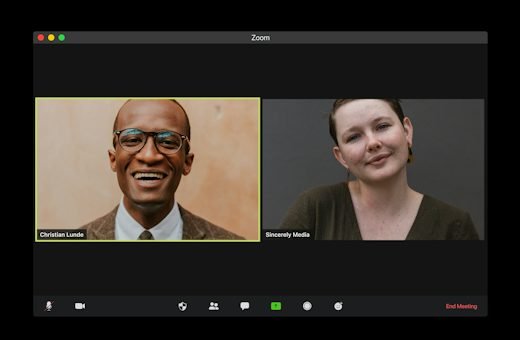
Test your tech for video calls
A tech problem eats your first minutes. Test sound, camera and link beforehand. A quick tech test protects your first minutes.
TRY THIS
Test sound, camera and link ten minutes before. Close other programs, and charge your device.
TIP 25
The first minute on video
Smile, look at the camera and say the name. Make a screen feel like a room. A warm first minute makes video feel like a room.
TRY THIS
Smile, look at the camera and say her name. Check the sound.
TIP 26
The first five minutes in person
Use space, posture and handshake well. Be present and relaxed. In person, calm presence and good space set the tone.
TRY THIS
Stand, smile and offer your hand. Let her choose a seat, and sit at an angle.
TIP 27
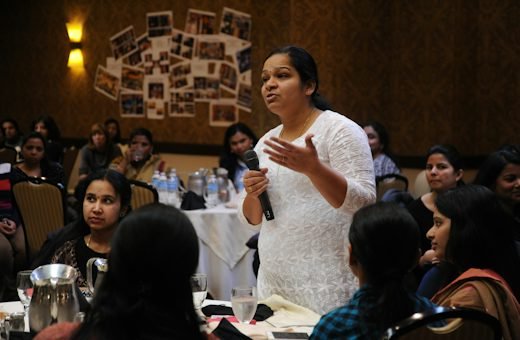
The first five minutes with a group
Greet each person, and learn the roles. Make everyone feel included. With a group, greet and include every person.
TRY THIS
Greet each person by name, and note the seating. Ask each their role and interest.
TIP 28
The first five minutes with a senior buyer
Be brief, prepared and respectful. Talk about outcomes. With a senior buyer, be brief, prepared and respectful.
TRY THIS
Greet with their title, and thank them. State your purpose in one sentence.
TIP 29
The first five minutes with an angry customer
Listen first, and stay calm. Do not defend. Acknowledge. With anger, listen, acknowledge and care.
TRY THIS
Stay calm, and let them speak fully. Say sorry and reflect the feeling.
TIP 30
The first five minutes when you are late
Warn early, apologise briefly, and recover. Do not make excuses. If you are late, warn early, apologise briefly and recover.
TRY THIS
Warn them as soon as you know. Apologise once, briefly, without a long excuse.
TIP 31
The first five minutes after an introduction
A warm introduction gives you a head start. Honour the person who made it. Honour the introducer, and you honour the trust they gave you.
TRY THIS
Mention the introducer kindly. Ask how they know each other.
TIP 32
Handle interruptions in the opening
Phones, doors and questions will interrupt. Stay calm and kind. Calm patience during interruptions builds respect.
TRY THIS
Smile, and say ‘Please take your time’. Wait calmly, without looking annoyed.
TIP 33
Handle silence in the opening
A short silence is normal. Breathe, smile and ask. A short silence is normal, so stay calm and kind.
TRY THIS
Breathe, and smile gently. Count to three in silence.
TIP 34
Handle a rushed start
When they are in a hurry, be quick and clear. Give them value fast. With a rushed client, give value fast and finish early.
TRY THIS
Accept the time with a smile. Ask what is most useful, and give three key points.
TIP 35
Spot the mood early
Read the mood in the first minute. Then adjust your plan. Spot the mood early, and shape the meeting to fit.
TRY THIS
In the first minute, read face, posture and voice. Decide: cheerful, tired, worried or rushed.
TIP 36
Keep a one-page checklist
One page is enough. Use it before every meeting. A one-page checklist keeps your openings calm and reliable.
TRY THIS
Write eight to ten short lines on one page. Read it before each meeting.
TIP 37
Share the checklist with your team
A shared standard helps everyone. Customers feel the same warmth from all. A shared checklist gives every customer the same warm start.
TRY THIS
Share your checklist with colleagues. Ask for their best ideas.
TIP 38
Review after each meeting
Two minutes of review teach you most. Ask three simple questions. A short review after each meeting turns experience into skill.
TRY THIS
After each meeting, ask the three questions. Write short answers in a log.
TIP 39
Practise your opening aloud
Say it aloud before you say it live. Practice makes it feel natural. Practise your opening aloud until it feels natural.
TRY THIS
Say your opening aloud, with a smile. Record it once, and listen.
TIP 40
Use your checklist today
Start with your next meeting. Do the five steps once, with care. Use your checklist at your next meeting, and trust will follow.
TRY THIS
Pick your next meeting. Follow the five steps with care.
Easy things to say
When you are stuck, pick one of these. They work in many sales conversations.
GREET
“It is good to see you. Thanks for making time.”
FRAME
“I would like to hear about your situation first.”
AGENDA
“Shall we use twenty minutes to talk and see if it fits?”
ASK
“What would make this a useful conversation for you?”
LISTEN
“Tell me more about that.”
CHECK
“Is there anything else you would like to cover?”
Your first week
One small action a day. Each day is only a little bigger than the last.
DAY 1
Write your own checklist
DAY 2
Use it on your next call
DAY 3
Adjust it after the call
DAY 4
Share it with a colleague
DAY 5
Practise your greeting
DAY 6
Practise your agenda line
Further reading
- How to Win Friends and Influence People (Dale Carnegie)
- The Go-Giver (Bob Burg and John David Mann)
- The Trusted Advisor (David Maister and others)
The tips above are written in our own words and are general guidance. The books are suggestions for further reading.
Keep your place and keep growing
Create a free account to save your progress and pick up the next lesson where you stopped. No card needed.
Start freeThese lessons share general learning and everyday ideas. They are not medical or mental health advice. If you feel very anxious, low or unwell, please talk to a doctor or a qualified professional.