





























LESSON 02 · MAKE THE FIRST CONTACT COUNT

Your 20-Second Opening

Forty ways to craft a twenty-second opening that is warm, clear and hard to hang up on.

The first twenty seconds decide the call. Be clear, be kind, be brief.

40 tipsAudio on every tip7-day plan

40 tips that really help

These ideas come from undefined, and everyday practice. The first six help the most. Pick one and try it today.

Photo for the tip: Why twenty seconds
TIP 1

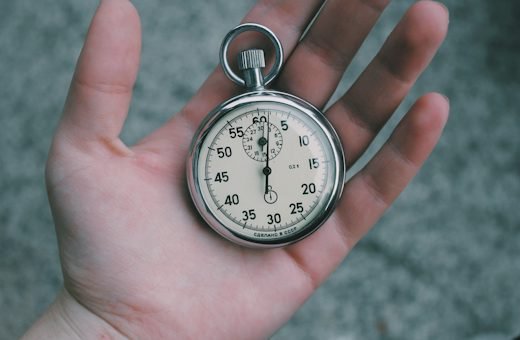
Why twenty seconds

People decide within moments whether to stay on the line. A short, clear opening earns you more time. Twenty seconds is enough to earn the next minute.

TRY THIS
Say your opening aloud with a stopwatch running. If it is longer than twenty-five seconds, cut the least useful sentence.
Listen to the full explanation 2 min · American English
Photo for the tip: Say who you are
TIP 2

Say who you are

Give your name and company in one calm breath so the listener can place you. Write that sentence out in full. Say your name clearly, and the listener can place you.

TRY THIS
Write your full introduction in one line. Say it slowly, with a pause after your name.
Listen to the full explanation 2 min · American English
Photo for the tip: Say why you called
TIP 3

Say why you called

A reason that is about them, not about you, is the strongest start. Write one reason in a single line. Give a reason that is about them, in one clear line.

TRY THIS
Write one reason in a single line, about the listener. Ask yourself, ‘Why would they care?’
Listen to the full explanation 2 min · American English
Photo for the tip: Link to their world
TIP 4

Link to their world

Mention a problem you know people in their position face. Write the problem in their own words. Name a problem in their words, and they will listen.

TRY THIS
Write one problem that your ideal customer feels, in their words. Turn it into one sentence for your opening.
Listen to the full explanation 2 min · American English
Photo for the tip: Ask permission
TIP 5

Ask permission

Asking ‘Do you have a minute?’ shows respect and often earns real attention. Add it to your opening. A polite request for time earns real attention.

TRY THIS
Add ‘Do you have a minute?’ to your opening. Use it on your next five calls.
Listen to the full explanation 2 min · American English
Photo for the tip: Admit the interruption
TIP 6

Admit the interruption

Saying ‘I know I am calling out of the blue’ disarms many people. Try it on your next call. Admit the interruption, and many people relax.

TRY THIS
Write the line ‘I know I am calling out of the blue.’ Say it after your name on your next three calls.
Listen to the full explanation 2 min · American English
Photo for the tip: Use plain words
TIP 7

Use plain words

Everyday language is easier to follow and easier to trust than business jargon. Replace one jargon word today. Plain words are easy to follow and easy to trust.

TRY THIS
Read your opening aloud. Mark any word you would not use with a friend.
Listen to the full explanation 2 min · American English
Photo for the tip: Keep sentences short
TIP 8

Keep sentences short

Short sentences are easy to say calmly and easy to understand. Split your longest sentence in two. Short sentences are easy to say and easy to follow.

TRY THIS
Write your opening in sentences of ten words or fewer. Read it aloud and mark where you run out of breath.
Listen to the full explanation 2 min · American English
Photo for the tip: Speak slowly
TIP 9

Speak slowly

Nerves make you rush. Slow down by about ten percent. A slightly slower voice sounds calm and sure.

TRY THIS
Record yourself saying your opening. Listen, and mark where you rush.
Listen to the full explanation 2 min · American English
Photo for the tip: Smile as you dial
TIP 10

Smile as you dial

A smile changes the sound of your voice even over the phone. Smile before you press call. A smile can be heard, so smile as you dial.

TRY THIS
Put a sticker or a note by your phone saying ‘Smile’. Smile for three seconds before each call.
Listen to the full explanation 2 min · American English
Photo for the tip: End with a question
TIP 11

End with a question

A question hands the conversation to them and invites a reply. Write your closing question now. End your opening with a question, and the conversation starts.

TRY THIS
Write a closing question for your opening that cannot be answered with a flat no. Read it aloud, with a friendly rising tone.
Listen to the full explanation 2 min · American English
Photo for the tip: Avoid "How are you today?"
TIP 12

Avoid "How are you today?"

This phrase signals a scripted sales call and invites a quick goodbye. Replace it with your reason. Skip the stock greeting and give a reason.

TRY THIS
Check your opening for ‘How are you today?’ Replace it with your name and your reason.
Listen to the full explanation 2 min · American English
Photo for the tip: Avoid "Did I catch you at a bad time?"
TIP 13

Avoid "Did I catch you at a bad time?"

It plants the idea of a bad time and invites a no. Use ‘Do you have a minute?’ instead. Ask for a minute, not for a bad time.

TRY THIS
Check your opening for ‘Did I catch you at a bad time?’ Replace it with ‘Do you have a minute?’
Listen to the full explanation 2 min · American English
Photo for the tip: Avoid long introductions
TIP 14

Avoid long introductions

Nobody wants your company history in the first twenty seconds. Cut your introduction in half. Keep your introduction short, and get to what matters to them.

TRY THIS
Write your introduction as you say it now. Cut it to two short sentences.
Listen to the full explanation 2 min · American English
Photo for the tip: Do not ask for a decision yet
TIP 15

Do not ask for a decision yet

The first call is for starting a conversation, not closing. Ask for a short chat instead. On a first call, ask for a small step, not a big decision.

TRY THIS
Write the small step you want from a first call. Make it easy, such as a ten-minute chat or a short note.
Listen to the full explanation 2 min · American English
Photo for the tip: Practise out loud
TIP 16

Practise out loud

Your mouth needs rehearsal as much as your mind does. Say your opening five times today. Say your opening aloud until it feels natural.

TRY THIS
Stand up and say your opening aloud five times. Mark any word that feels stiff and change it.
Listen to the full explanation 2 min · American English
Photo for the tip: Record yourself
TIP 17

Record yourself

Hearing your own tone shows what you cannot feel while speaking. Listen to one recording this week. A recording shows what you cannot feel while speaking.

TRY THIS
Record your opening on your phone. Listen, and note three things to keep and one to change.
Listen to the full explanation 2 min · American English
Photo for the tip: Test two versions
TIP 18

Test two versions

Small wording changes can double the response. Use version A and B on five calls each. Test two versions, and let results choose.

TRY THIS
Write two versions of your opening, A and B, with one clear difference. Use each on five calls.
Listen to the full explanation 2 min · American English
Photo for the tip: Measure the replies
TIP 19

Measure the replies

Counting results shows which opening really works. Keep a simple tally on paper. A simple tally shows which opening works.

TRY THIS
Draw a sheet with columns for no answer, voicemail, brush-off, conversation and next step. Mark each call.
Listen to the full explanation 2 min · American English
Photo for the tip: Keep the best version
TIP 20

Keep the best version

Once you find a winner, use it consistently and improve it slowly. Save it where you can find it. Keep your best version, and improve it one step at a time.

TRY THIS
Write your best opening on a card, with the date. Keep it by your phone and use it daily.
Listen to the full explanation 2 min · American English
Photo for the tip: Personalise one word
TIP 21

Personalise one word

Using their name or company makes the call feel meant for them. Add one personal detail. One personal detail makes a call feel meant for them.

TRY THIS
Add a blank slot to your opening for one personal detail. Before each call, spend two minutes to find a name, a place or a product.
Listen to the full explanation 2 min · American English
Photo for the tip: Match their energy
TIP 22

Match their energy

If they sound brisk, be brisk; if they sound relaxed, ease down. Listen to their first sentence. Listen to their energy, and meet them there.

TRY THIS
On your next call, listen to the first sentence for pace and tone. Adjust your pace a little to be close to theirs.
Listen to the full explanation 2 min · American English
Photo for the tip: Adapt to the role
TIP 23

Adapt to the role

An owner, a manager and an assistant need slightly different openings. Write two versions. Speak to the role, and the opening lands better.

TRY THIS
Write two versions of your opening, for two roles. Change the reason and the key words, not the whole script.
Listen to the full explanation 2 min · American English
Photo for the tip: Adapt to the industry
TIP 24

Adapt to the industry

Using their terms shows you understand their world. Learn three industry words. Use the words of their industry, and trust grows.

TRY THIS
Pick one industry you call. Read a trade site or forum, and write three terms.
Listen to the full explanation 2 min · American English
Photo for the tip: Notice the time of day
TIP 25

Notice the time of day

Early mornings and late afternoons feel different to the listener. Note which times work best for you. Notice when people answer, and call at those times.

TRY THIS
For two weeks, note the time and the result of each call. Look for the best hours.
Listen to the full explanation 2 min · American English
Photo for the tip: Prepare for interruptions
TIP 26

Prepare for interruptions

They may speak first, so be ready to pause and listen. Practise stopping mid-sentence calmly. Be ready to stop, listen and answer calmly.

TRY THIS
Ask a friend to interrupt you in a practice call. Stop at once, listen and answer in one line.
Listen to the full explanation 2 min · American English
Photo for the tip: Prepare a second sentence
TIP 27

Prepare a second sentence

If they say ‘go on’, you need the next line ready. Write your follow-up sentence. Have a second sentence ready, so you never freeze.

TRY THIS
Write one or two lines to follow your opening. Make them a short story or a clear benefit, plus a question.
Listen to the full explanation 2 min · American English
Photo for the tip: Prepare a graceful exit
TIP 28

Prepare a graceful exit

If they say no, a kind reply keeps the door open. Write a one-line thank-you. Plan a graceful exit, and a no can still be a good call.

TRY THIS
Write your one-line exit. Practise it in a warm voice.
Listen to the full explanation 2 min · American English
Photo for the tip: Stand while you call
TIP 29

Stand while you call

Standing improves your breathing and gives your voice more energy. Stand for your next five calls. Stand while you call, and your voice has more energy.

TRY THIS
Stand up before your next call. Place your feet apart and relax your shoulders.
Listen to the full explanation 2 min · American English
Photo for the tip: Keep notes within reach
TIP 30

Keep notes within reach

A simple outline helps if your mind goes blank. Put three bullet points beside your phone. Keep a short outline within reach, in case you go blank.

TRY THIS
Write four bullet points on a card: name, reason, question and goal. Put it beside your phone in large writing.
Listen to the full explanation 2 min · American English
Photo for the tip: Warm up first
TIP 31

Warm up first

Start the day with an easy call so your voice is ready for harder ones. Call a friendly contact first. Warm up with an easy call before the hard ones.

TRY THIS
Pick one friendly contact for your first call of the day. Hum for twenty seconds, sip water and say your opening once aloud.
Listen to the full explanation 2 min · American English
Photo for the tip: Review your calls weekly
TIP 32

Review your calls weekly

A short weekly review turns experience into improvement. Listen to one call each Friday. A weekly review turns experience into improvement.

TRY THIS
Put a twenty-minute review in your calendar for Friday. Look at your tally, and listen to or recall one call.
Listen to the full explanation 2 min · American English
Photo for the tip: Ask a colleague for feedback
TIP 33

Ask a colleague for feedback

Another person hears things you miss. Ask them to listen to your opening. Ask someone to listen, and learn what you cannot hear.

TRY THIS
Ask one colleague or friend to listen to your opening. Ask for one thing that works and one thing to try.
Listen to the full explanation 2 min · American English
Photo for the tip: Share your best opening
TIP 34

Share your best opening

Teaching others sharpens your own understanding. Send it to a teammate. Share your best opening, and everyone improves.

TRY THIS
Write your best opening and one line on why it works. Send it to one teammate or friend.
Listen to the full explanation 2 min · American English
Photo for the tip: Use it in emails too
TIP 35

Use it in emails too

The same clear reason works well in writing. Adapt it for one email. A clear opening works in speech and in writing.

TRY THIS
Copy your best opening into an email, in four or five lines. Put the reason in the subject line.
Listen to the full explanation 2 min · American English
Photo for the tip: Shorten it for voicemail
TIP 36

Shorten it for voicemail

A voicemail version should be even shorter. Cut it to ten seconds. A voicemail needs a shorter version of your opening.

TRY THIS
Cut your opening to about ten seconds. Add your number twice, slowly.
Listen to the full explanation 2 min · American English
Photo for the tip: Update it every quarter
TIP 37

Update it every quarter

Markets and customers change, so refresh your words regularly. Put a reminder in your calendar. Review your opening every quarter, and keep it fresh.

TRY THIS
Put a quarterly ‘opening review’ in your calendar. At the review, read your opening and your recent notes.
Listen to the full explanation 2 min · American English
Photo for the tip: Keep it human
TIP 38

Keep it human

The best opening sounds like a person talking, not a script being read. Read it aloud to a friend. Keep it human, and people will listen.

TRY THIS
Read your opening aloud to a friend. Ask, ‘Does this sound like me?’
Listen to the full explanation 2 min · American English
Photo for the tip: Celebrate good openings
TIP 39

Celebrate good openings

Noticing what works builds confidence and keeps you improving. Note one call that started well. Notice your good starts, and you will make more of them.

TRY THIS
After your next call block, write down one call that started well. Note what you said and how you said it.
Listen to the full explanation 2 min · American English
Photo for the tip: Write yours now
TIP 40

Write yours now

The best opening is the one you actually write down and use. Draft your three sentences today. Write your opening now, and use it today.

TRY THIS
Write three sentences: who you are, why you call and your question. Read it aloud and cut it to twenty seconds.
Listen to the full explanation 2 min · American English

Easy things to say

When you are stuck, pick one of these. They work in many sales conversations.

NAME

“Hi, this is Sam from Bright Tools.”

REASON

“I am calling because many shops like yours struggle with stock counts.”

PERMISSION

“Do you have a minute?”

HONEST

“I know I am calling out of the blue.”

ASK

“Is that something you deal with too?”

THANKS

“Thank you for taking my call.”

Your first week

One small action a day. Each day is only a little bigger than the last.

DAY 1
Write your opening in three sentences
DAY 2
Time it to twenty seconds
DAY 3
Say it aloud five times
DAY 4
Record and listen
DAY 5
Use it on three calls
DAY 6
Change one word
DAY 7
Compare the replies

Further reading

  • Fanatical Prospecting (Jeb Blount)
  • Cold Calling Techniques (Stephan Schiffman)
  • The Little Red Book of Selling (Jeffrey Gitomer)

The tips above are written in our own words and are general guidance. The books are suggestions for further reading.

More lessons in “Make the First Contact Count”

Keep going. Small steps every day make a big change.

← Previous: Why Calls Still Beat EverythingNext: The Friendly Interrupt →

  1. Why Calls Still Beat Everything
  2. Your 20-Second Opening
  3. The Friendly Interrupt
  4. Open With a Reason, Not a Pitch
  5. Get Past the Gatekeeper Kindly
  6. Leave a Voicemail People Return
  7. What to Do When They Say "Not Interested"
  8. Subject Lines People Open
  9. The Three-Sentence Email
  10. Personalise in One Line
  11. Make One Clear Ask
  12. Follow-Up Emails That Do Not Annoy
  13. The Friendly Breakup Email
  14. Fix the Mistakes That Land You in Spam
  15. A LinkedIn Profile That Attracts Buyers
  16. Connect With a Note, Not a Pitch
  17. Comment Your Way Into a Conversation
  18. Share Posts That Show Expertise
  19. Slide Into Messages Politely
  20. Turn a Like Into a Call
  21. Social Selling in 15 Minutes a Day
  22. Walk Into a Business With Confidence
  23. Your 10-Second First Impression
  24. Handshakes, Smiles and Eye Contact
  25. Start a Chat at an Event
  26. Hand Out Cards the Natural Way
  27. Read the Room Before You Speak
  28. Leave Something Memorable Behind
  29. Ask for a Meeting Without Begging
  30. The 15-Minute Offer
  31. Propose Two Time Options
  32. Confirm Meetings So They Show Up
  33. Reduce No-Shows Politely
  34. Rescue a Stalled Conversation
  35. I Am Busy: What to Say
  36. Just Send Me Information
  37. We Already Have a Supplier
  38. Send Me an Email
  39. Call Me Next Quarter
  40. Stay Friendly and Stay in Touch
Scroll to Top