LESSON 17 · WORK & BUSINESS
Following Up After Meeting Someone
Forty warm, simple ways to follow up after you meet someone, so a good first chat grows into a real connection.
The real connection starts after the first meeting. A short, warm message within a day is all it takes.
40 tipsAudio on every tip7-day plan
40 tips that really help
These ideas come from well-known books and studies on networking, trust and gratitude, and everyday practice. The first ten work almost anywhere. Pick one and try it today.
TIP 1
The 24-hour rule: follow up while they still remember you
The real value of meeting someone comes after the meeting. If you write within a day, the memory is fresh and your message feels warm and natural. Make it a habit: five minutes the same day or the next morning.
TRY THIS
After your next important meeting, send a short follow-up message within twenty-four hours.
TIP 2
The three-line follow-up message
A good follow-up does not need to be long. Three lines are enough: remind them of the meeting, add something personal or useful and suggest a small next step. Busy people appreciate messages that respect their time.
TRY THIS
Write one follow-up message today using the three lines: remember, add, next.
TIP 3
Subject lines people actually open
The subject line is the doorbell of your message. Vague words like Hello or Following up may not get opened. Use the event, a shared contact or a personal detail, like Great to meet you at the Brightside expo.
TRY THIS
Write three possible subject lines for your next follow-up, and choose the one with the clearest link to your meeting.
TIP 4
The personal detail that makes them smile
The best follow-ups include one personal detail from your conversation, like a hobby, a place or a small story. It shows you listened and brings the memory back to life. People remember those who remember them.
TRY THIS
Add one personal detail from your last conversation to your next follow-up message.
TIP 5
Follow up with value, not just hello
A message that only says nice to meet you is polite but easy to forget. Add value: send a useful article, an idea or an introduction that fits what they said. Value builds trust faster than words.
TRY THIS
Before you follow up, find one thing that could help the person, such as a link or a contact.
TIP 6
Ask for a coffee without pressure
Many people want to meet again but fear sounding pushy. Make the invitation light and easy to decline: would you be open to a short coffee or call sometime? Offer two options and respect their time.
TRY THIS
Write an invitation that includes two options and an easy way to say no.
TIP 7
A follow-up that does not feel needy
Some people hesitate to follow up because they fear being a nuisance. The difference between needy and professional is tone. Be generous and relaxed, and make it clear there is no pressure to reply.
TRY THIS
Write a follow-up that ends with: no need to reply, I just thought this might be useful.
TIP 8
If they do not reply: the kind second message
Sometimes people do not reply to your first message. It is usually because they are busy. A kind second message after a week or so is acceptable. Keep it short, friendly and easy, with no pressure.
TRY THIS
If a message goes unanswered, wait seven days and send one short, friendly reminder.
TIP 9
The follow-up after a phone call
After a call, send a short summary and thanks. Write what you discussed, what each person will do and by when. It confirms the agreement and keeps everyone on the same page.
TRY THIS
After your next call, send a three-line summary with actions and dates within an hour.
TIP 10
The follow-up after a job interview
After an interview, send a thank-you message within a day. Thank them for their time, repeat your interest in the job and mention one specific moment from the talk. Keep it short and warm.
TRY THIS
After your next interview, send a three-sentence thank-you the same day, with one specific detail.
TIP 11
After a conference: sort, personalise and send
After a conference you may have a stack of cards and a head full of faces. Within two days, sort them, mark the people you really want to stay in touch with and write a short, personal message to each.
TRY THIS
After your next event, sort your contacts into three groups: priority, nice to know and later. Write to the priority group first.
TIP 12
After a sales meeting: confirm, thank and support
After a sales or client meeting, your follow-up shapes the next step. Thank them, confirm what you heard and offer something that helps them decide. Be clear about the next action and the date.
TRY THIS
After your next client meeting, send a message with a thank you, a summary of their needs and one next step.
TIP 13
Follow up on a promise you made
During a chat you may say, I’ll send you that link, or I’ll introduce you to Anna. These small promises are tests of character. Write them down at once, do them quickly and confirm.
TRY THIS
After every chat today, write down any promise you made, and complete one within twenty-four hours.
TIP 14
The handwritten note: rare and powerful
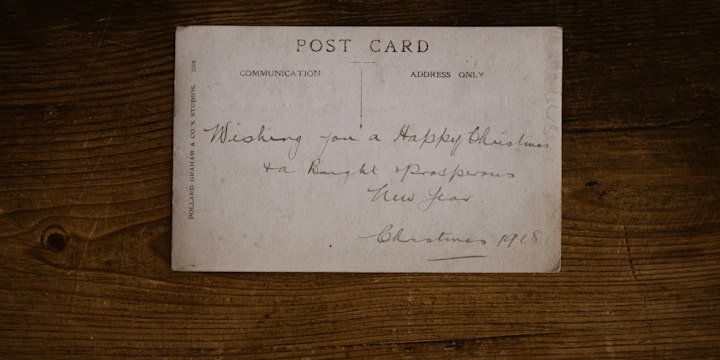
In a world of emails, a handwritten note stands out. A simple card with a thank you, a personal line and your signature feels very special. Use it for important moments and keep it short and sincere.
TRY THIS
Write one handwritten thank-you note this week for someone who helped you.
TIP 15
Online follow-up: a short, personal connection request
After you meet someone, you might connect on a professional network. A request with no message is easy to ignore. Add a short, friendly note with where you met and one detail from your chat, in under three lines.
TRY THIS
Send two connection requests this week with a short personal note about where you met.
TIP 16
Text messages: when a quick message is right
Text messages are quick and friendly, but they are not right for every situation. They suit people who have shared their number with you. For a first follow-up, an email is usually better. Keep texts short and polite.
TRY THIS
Use a text only with people who gave you their number, and always begin with your name and where you met.
TIP 17
Follow up on an introduction from a friend
When a friend introduces you to someone, you have two follow-ups to make: one to the new person and one to your friend. Contact the new person soon, mention your friend by name and then report back to your friend.
TRY THIS
Reply to any introduction within two days, and send your friend a short update after you have spoken.
TIP 18
Follow up with someone senior
Writing to a senior person can feel intimidating. Be brief, respectful and specific. Thank them for their time, mention one idea from your talk and say how you used it or what you learned. Do not ask for much.
TRY THIS
Write a four-line message to a senior person, with a thank you, one idea and what you did with it.
TIP 19
Follow up after a disagreement
Sometimes a meeting ends with tension or disagreement. A thoughtful follow-up can repair the relationship. Thank them for their honesty, restate what you agree on and suggest a way forward. Keep the tone calm.
TRY THIS
After a disagreement, write a short message that names one point of agreement and one next step.
TIP 20
After a bad first impression: the reset
Some meetings do not go well. You may have said something awkward or been late. A kind follow-up can reset the impression. Acknowledge the mistake in one sentence, thank them for their patience and move forward.
TRY THIS
If you have had a bad first meeting, write a short, honest, warm message that acknowledges it once.
TIP 21
The thinking-of-you message
Not every follow-up needs a reason. A short message that says, I thought of you, is one of the warmest things you can send. Keep it light and generous, with no request attached.
TRY THIS
Send one thinking-of-you message today to someone you have not spoken to for a while.
TIP 22
Congratulate them on good news
When you hear someone has had good news, a new job, a promotion or an award, send congratulations. People remember who celebrated with them. Be specific and warm.
TRY THIS
Look through your contacts for one piece of good news, and send a congratulations message today.
TIP 23
Share a resource that fits them
One of the best reasons to follow up is to share something that fits them, like an article, a book or a contact. One well-chosen resource is better than ten random links. Add a line to say why you thought of them.
TRY THIS
Find one resource that fits a person you met recently, and send it with a short note.
TIP 24
Invite them to an event
An invitation is a lovely way to deepen a connection. It could be a talk, a webinar or a small gathering. Keep it light and optional, and make it clear that there is no pressure if the timing is not right.
TRY THIS
Invite one contact to a free event that fits their interests this month.
TIP 25
Ask for a short call, and make it easy
If you want to talk, ask for a short call and make it very easy to say yes. Offer fifteen minutes, give two time options and say what you want to discuss. End with, no problem if the timing is not right.
TRY THIS
Write a call request with fifteen minutes, two time options and a clear topic.
TIP 26
Reconnect after a long silence
Perhaps you met someone a year ago and never followed up. It is not too late. Most people are happy to hear from you. Be honest and warm: it has been a while, and I have been thinking of you.
TRY THIS
Choose one person you have not contacted for over a year, and write them a warm hello.
TIP 27
Say thank you after advice
When someone gives you advice, thank them soon. Say what you learned and how you will use it. It is a courtesy and it encourages them to help again. Be specific about which idea helped.
TRY THIS
Thank someone who gave you advice recently, and name the idea that helped you most.
TIP 28
Report back: what happened after their advice
People who give advice often wonder what happened. When you report back, you close the loop and make them feel useful. A short update a few weeks later can turn a one-off chat into a long relationship.
TRY THIS
Send an update to someone whose advice you followed, with one result and one thank you.
TIP 29
Keep a simple follow-up calendar
Good intentions need a system. A simple follow-up calendar helps you remember who to contact and when. Set small reminders: send a note on Monday, check in with Anna in three weeks. A few minutes a week is enough.
TRY THIS
Set three reminders in your phone today for follow-ups you want to send in the next month.
TIP 30
The three-touch rhythm
A simple rhythm helps relationships grow without effort. First touch within a day: a short message after you meet. Second within a few weeks: a useful link or update. Third within a few months: a friendly check-in.
TRY THIS
For one new contact, plan three touches: tomorrow, in three weeks and in three months.
TIP 31
Follow up kindly after a no
Not every conversation ends in a yes. How you respond to a no can shape your future. Thank them for the chance, ask for brief feedback and say you would love to stay in touch. Many opportunities return to people who were gracious.
TRY THIS
After a no, wait a day, then send a short thank-you with one question: Is there any feedback that would help me improve?
TIP 32
Group follow-up: action points after a meeting
After a meeting with several people, a clear follow-up message prevents confusion. List the decisions made, who will do what and by when. Send it the same day, short and easy to scan, and thank everyone.
TRY THIS
After your next meeting, send a short list of decisions and actions with names and dates.
TIP 33
Follow up after you made a mistake
Everyone makes mistakes. The best way to protect trust is to follow up quickly and honestly. Say what happened, say sorry and say what you will do. People forgive mistakes, but they rarely forgive hiding them.
TRY THIS
If you have a mistake to fix, send a three-part message today: what happened, sorry and what I will do.
TIP 34
Follow-up manners around the world
Follow-up customs differ across cultures. In some places a quick, direct message is welcomed, in others a more formal approach is expected. If you are unsure, begin formally and follow the other person’s lead.
TRY THIS
Before writing to someone from a different culture, learn one thing about their business etiquette.
TIP 35
Social media follow-ups: be friendly, not intrusive
Following someone on social media after meeting them can be a nice touch, but be careful. Stick to professional networks first, and only connect on personal accounts if invited. A thoughtful comment is a gentle way to stay visible.
TRY THIS
Leave one thoughtful, positive comment on a recent professional post by someone you met.
TIP 36
End every follow-up with a clear next step
A follow-up message with no next step can leave the other person unsure what to do. End with a small, clear step: a date for a call, a link to open or a question to answer. It keeps the relationship moving.
TRY THIS
Check your last three follow-ups. Add a clear next step to any that lack one.
TIP 37
Introverts: let writing be your strength
If you find live conversation tiring, follow-ups are your chance to shine. Writing gives you time to think and be warm without pressure. Use your strengths: listening, noticing details and writing carefully.
TRY THIS
After your next event, write two thoughtful messages that use details you noticed.
TIP 38
Busy people: batch your follow-ups
If you meet many people, follow-ups can feel endless. Batch them: set aside thirty minutes at a fixed time, such as Friday morning, to write all your messages with a simple template and a personal line.
TRY THIS
Block thirty minutes this Friday for follow-ups, and write all your messages in one go.
TIP 39
Learn from the replies: what is working?
Over time you will notice that some messages get quick, warm replies and others do not. Look for patterns in subject lines, tone and timing. Keep a simple note of what works, and adjust.
TRY THIS
Look at your last ten follow-ups. Note which got a reply, and write down one thing they had in common.
TIP 40
Your 30-day follow-up plan
You have many tools now. In 30 days: week one, follow up within a day of each meeting; week two, share a resource with three people; week three, invite two people to a call or coffee; week four, thank and report back to those who helped you.
TRY THIS
Write the four weeks on a card. This week, write to everyone you met in the last month.
Easy things to say
When you are stuck, pick one of these. They work almost anywhere.
WITHIN A DAY
“It was a pleasure to meet you yesterday. I enjoyed our talk about bakeries.”
ADD VALUE
“I thought of you when I read this article. No need to reply.”
ASK FOR A CALL
“Could we have a fifteen-minute call next week? Tuesday or Thursday?”
GENTLE REMINDER
“Just floating this to the top of your inbox. No pressure at all.”
THANK YOU
“Thank you for your advice. It really helped.”
RECONNECT
“It has been a while, and I have been thinking of you.”
Your first week
One small action a day. Each day is only a little bigger than the last.
DAY 1
Write one follow-up within 24 hours of a meeting
DAY 2
Add one personal detail to a message
DAY 3
Send one useful link or tip
DAY 4
Ask for one short coffee or call
DAY 5
Send one thank-you to someone who helped you
DAY 6
Congratulate someone on good news
DAY 7
Set three follow-up reminders for next month
Further reading
- Never Eat Alone by Keith Ferrazzi. A classic on building relationships through generous follow-up.
- Give and Take by Adam Grant. How helping others builds lasting trust.
- Thanks! by Robert Emmons. Research on how gratitude strengthens relationships.
Photos are from Unsplash and used under the Unsplash licence. The tips above are written in our own words and are general guidance. The books are suggestions for further reading.
Keep your place and keep growing
Create a free account to save your progress and pick up the next lesson where you stopped. No card needed.
Start freeThese lessons share general learning and everyday ideas. They are not medical or mental health advice. If you feel very anxious, low or unwell, please talk to a doctor or a qualified professional.